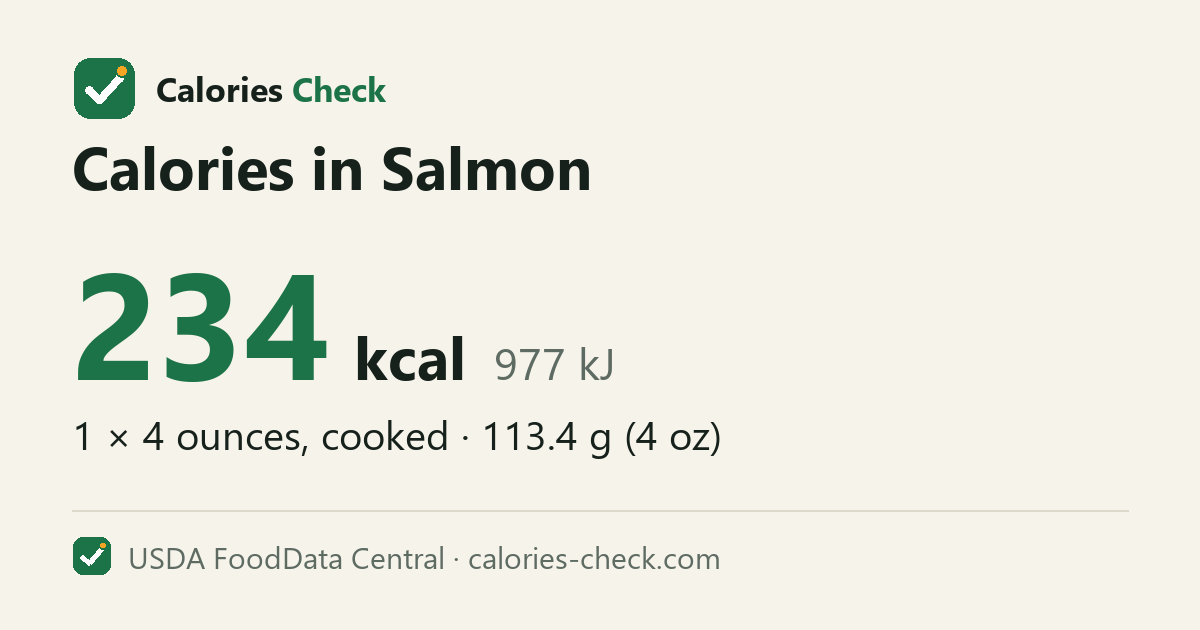
A 4-ounce portion of cooked Atlantic salmon (farmed, 113 g) has 234 calories (977 kJ), 25.1 g of protein and 14 g of fat, with no carbohydrates. 3 ounces have 175 calories, 6 ounces have 350 and half a fillet (178 g) has 367. Per 100 grams, cooked farmed salmon has 206 calories.
Pick a portion below, or enter the cooked weight in grams or ounces.
Calories in salmon by portion
Values are for farmed Atlantic salmon, cooked with dry heat (baked, grilled or broiled) without added fat. Much of the fresh salmon in US supermarkets is farmed Atlantic salmon.
| Portion | Weight | Calories | Protein | Carbohydrates | Fiber | Total fat |
|---|---|---|---|---|---|---|
| 3 ounces, cooked | 85 g | 175 | 18.8 g | 0 g | 0 g | 10.5 g |
| 100 grams | 100 g | 206 | 22.1 g | 0 g | 0 g | 12.4 g |
| 4 ounces, cooked | 113.4 g | 234 | 25.1 g | 0 g | 0 g | 14 g |
| 6 ounces, cooked | 170.1 g | 350 | 37.6 g | 0 g | 0 g | 21 g |
| Half fillet, cooked | 178 g | 367 | 39.3 g | 0 g | 0 g | 22 g |
Farmed vs. wild salmon
| Cooked salmon (4 oz, 113 g) | Calories | Protein | Fat |
|---|---|---|---|
| Atlantic, farmed | 234 | 25.1 g | 14 g |
| Atlantic, wild | 206 | 28.8 g | 9.2 g |
| Sockeye (red), wild | 177 | 30 g | 6.3 g |
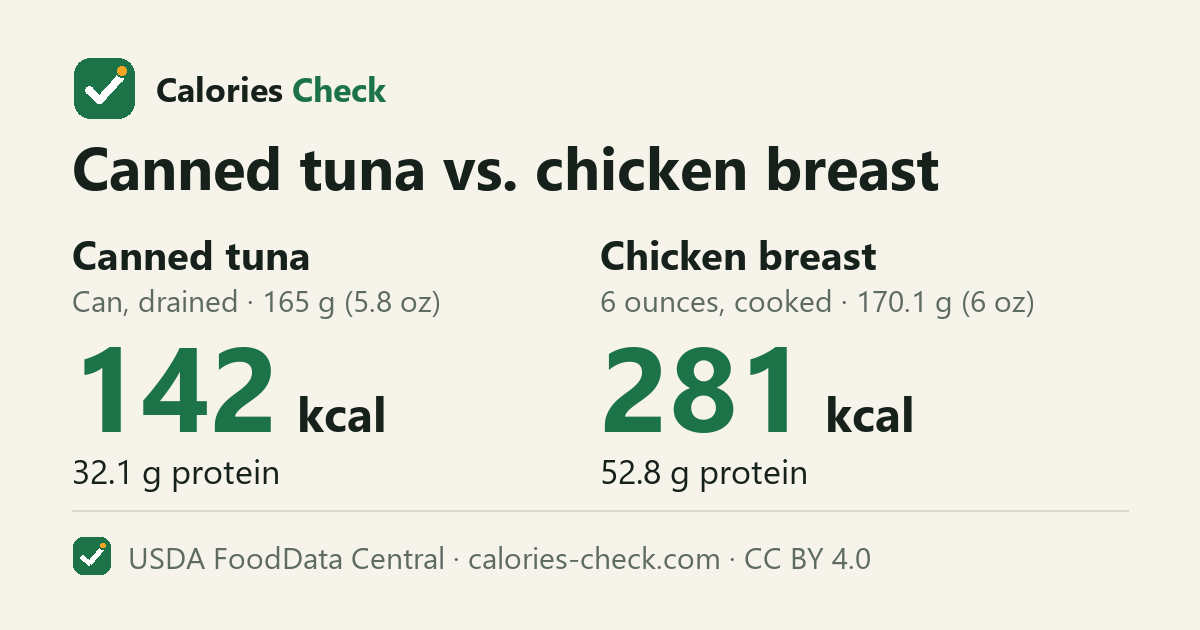
| For comparison: chicken breast, roasted | 187 | 35.2 g | 4 g |
Farmed salmon is fattier than wild salmon, so it has more calories. Wild sockeye is the leanest of the three. Most of the fat in salmon is unsaturated and includes the omega-3 fatty acids EPA and DHA, which is why health agencies recommend eating fish like salmon regularly.
Raw or cooked weight?
Salmon loses water when it cooks, so a fillet weighs less after cooking. The calculator uses cooked weight. If you weigh your salmon raw, 4 ounces of raw farmed Atlantic salmon have 236 calories. Butter, oil or a glaze used for cooking add calories on top.
Salmon nutrition facts
| Nutrient | Per 100 g | 4 ounces, cooked (113.4 g) | % Daily Value (US FDA) |
|---|---|---|---|
| Calories | 206 kcal | 234 kcal | 12% |
| Total fat | 12.4 g | 14 g | 18% |
| Saturated fat | 2.4 g | 2.7 g | 14% |
| Cholesterol | 63 mg | 71 mg | 24% |
| Sodium | 61 mg | 69 mg | 3% |
| Salt (sodium × 2.5) | 0.15 g | 0.17 g | – |
| Carbohydrates | 0 g | 0 g | 0% |
| Fiber | 0 g | 0 g | 0% |
| Total sugars | 0 g | 0 g | – |
| Protein | 22.1 g | 25.1 g | 50% |
| Calcium | 15 mg | 17 mg | 1% |
| Iron | 0.3 mg | 0.4 mg | 2% |
| Potassium | 384 mg | 435 mg | 9% |
| Vitamin C | 3.7 mg | 4.2 mg | 5% |
Is salmon good for weight loss?
Salmon has more calories than lean fish or chicken breast, but its protein keeps you full. A 4-ounce portion with vegetables makes a filling meal for well under 500 calories. What matters for weight loss is your total calorie intake. The calorie calculator shows how many calories you need per day.
Frequently asked questions
How many calories are in a salmon fillet?
Half a fillet of cooked farmed Atlantic salmon (178 g) has 367 calories and 39.3 g of protein. Half a fillet of wild Atlantic salmon (154 g) has 280 calories. Fillet sizes vary a lot, so weigh yours if you can.
How many calories are in 6 oz of salmon?
6 ounces (170 g) of cooked farmed Atlantic salmon have 350 calories, 37.6 g of protein and 21 g of fat.
How many calories are in 4 oz of salmon?
4 ounces of cooked farmed salmon have 234 calories. The same amount of wild Atlantic salmon has 206 and wild sockeye 177 calories.
How much protein is in salmon?
Cooked farmed Atlantic salmon has 22.1 g of protein per 100 g, or 18.8 g in a 3-ounce serving.
Does salmon have carbs?
No. Plain salmon has 0 g of carbohydrates. Sauces, glazes and breading add carbs.
Salmon vs. canned tuna
| Food | Portion | Calories | Protein | Fat |
|---|---|---|---|---|
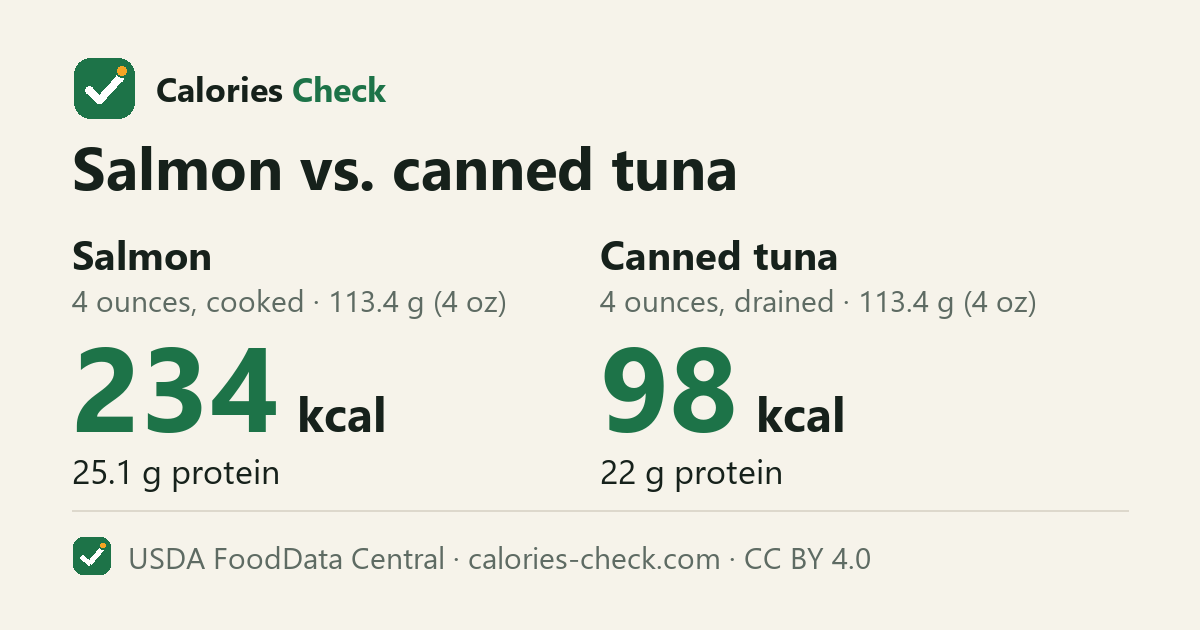
| Salmon | 4 ounces, cooked, 113.4 g (4 oz) | 234 kcal (977 kJ) | 25.1 g | 14 g |
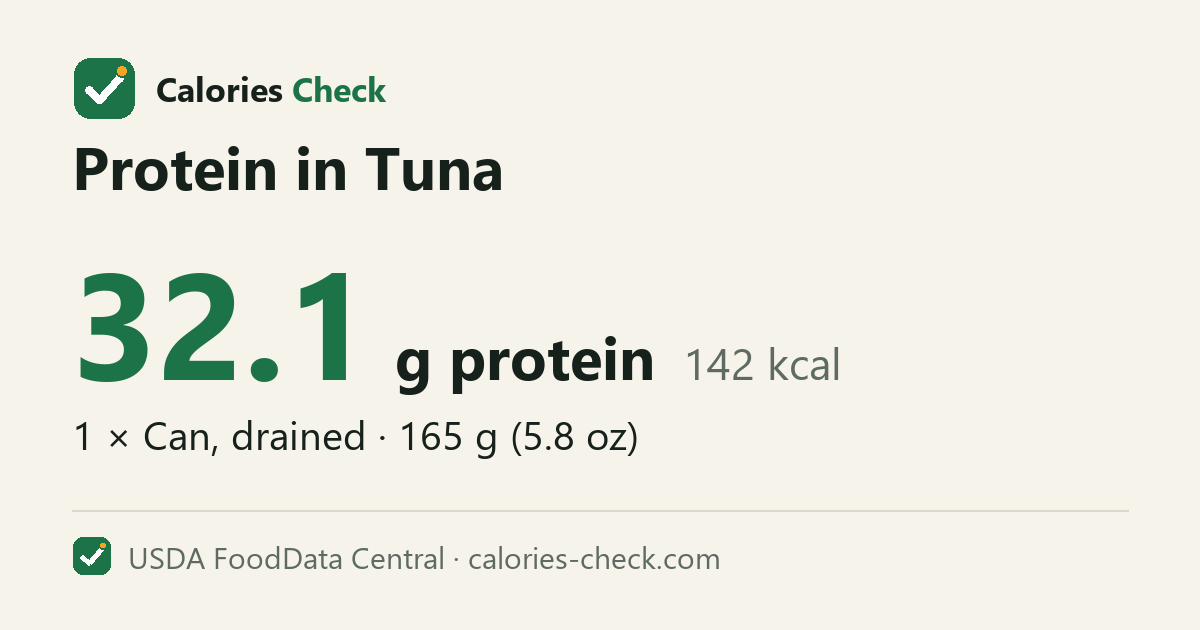
| Canned tuna | 4 ounces, drained, 113.4 g (4 oz) | 98 kcal (408 kJ) | 22 g | 1.1 g |
Related foods
Sources
- U.S. Department of Agriculture, Agricultural Research Service. FoodData Central, SR Legacy: Fish, salmon, Atlantic, farmed, cooked, dry heat (FDC ID 175168), Fish, salmon, Atlantic, wild, cooked, dry heat (FDC ID 171998), Fish, salmon, sockeye, cooked, dry heat (FDC ID 173692), Fish, salmon, Atlantic, farmed, raw (FDC ID 175167), Chicken, broilers or fryers, breast, meat only, cooked, roasted (FDC ID 171477).
- U.S. Food and Drug Administration. Daily Value on the Nutrition and Supplement Facts Labels.
Values are rounded and can differ slightly from the label on packaged fish. More about our data in Methodology and Sources. This page is general information and does not replace advice from a doctor or registered dietitian.